Jul 8, 2026
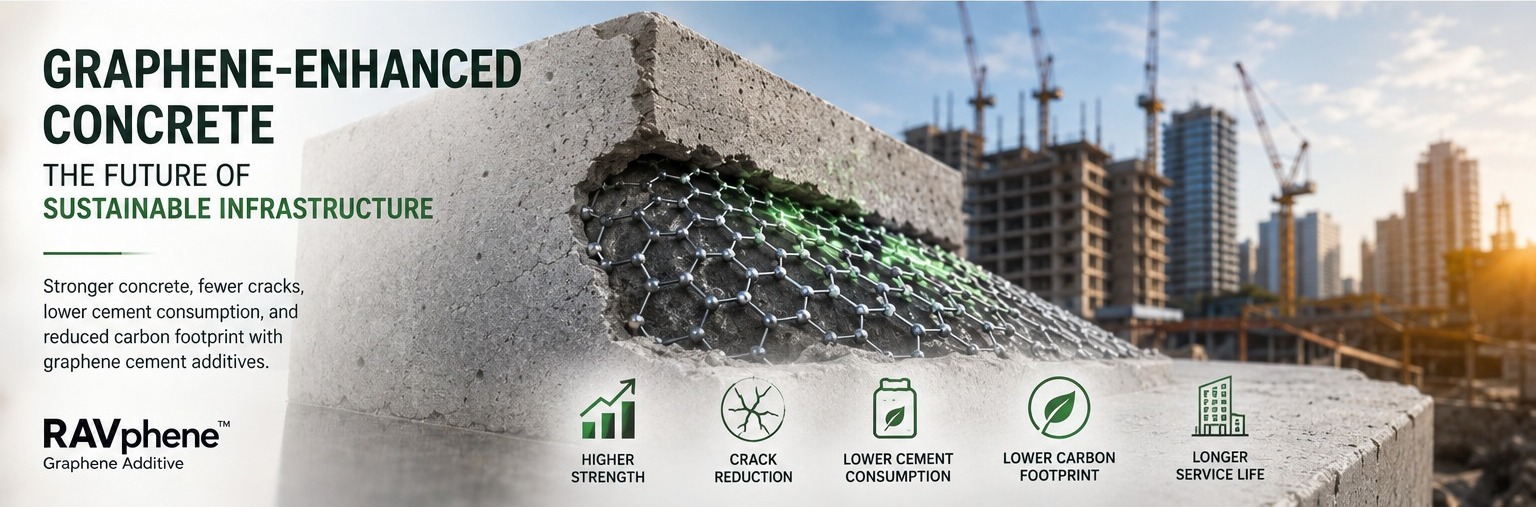
** Graphene-Enhanced Concrete: The Future of Sustainable Infrastructure Building Stronger Infrastructure with Less Environmental Impact
The construction industry is under increasing pressure to build stronger infrastructure while reducing its environmental footprint. As demand for buildings, roads, bridges, and industrial facilities continues to grow, the need for more sustainable construction materials has become a global priority. Since cement production contributes significantly to carbon emissions, the industry is actively exploring innovative materials that can improve performance while reducing environmental impact. One of the most promising solutions is graphene-enhanced concrete.
*** What Is Graphene Concrete? Graphene concrete is conventional concrete enhanced with graphene-based additives. Rather than replacing existing materials, graphene strengthens the internal cement matrix, improving durability and overall structural performance. By working at the microscopic level, graphene helps create denser, stronger, and more resilient concrete.
*** Stronger and More Durable Concrete One of the key advantages of graphene concrete is its ability to improve compressive and flexural strength. Stronger concrete supports higher structural loads, increases durability, and allows engineers to optimize material usage. This makes graphene an attractive solution for modern infrastructure projects that demand long-term performance.
*** Reducing Cracks and Extending Service Life Cracks are one of the main causes of concrete deterioration. Graphene helps improve the internal structure of concrete, reducing the formation of microcracks and limiting water penetration that can lead to corrosion. As a result, infrastructure can achieve a longer service life with lower maintenance requirements.
*** Supporting Sustainable Construction Graphene also offers the potential to reduce cement consumption without compromising concrete performance. Lower cement usage means lower carbon emissions, improved resource efficiency, and reduced lifecycle costs. Combined with its ability to extend infrastructure lifespan, graphene supports the development of more sustainable construction practices.
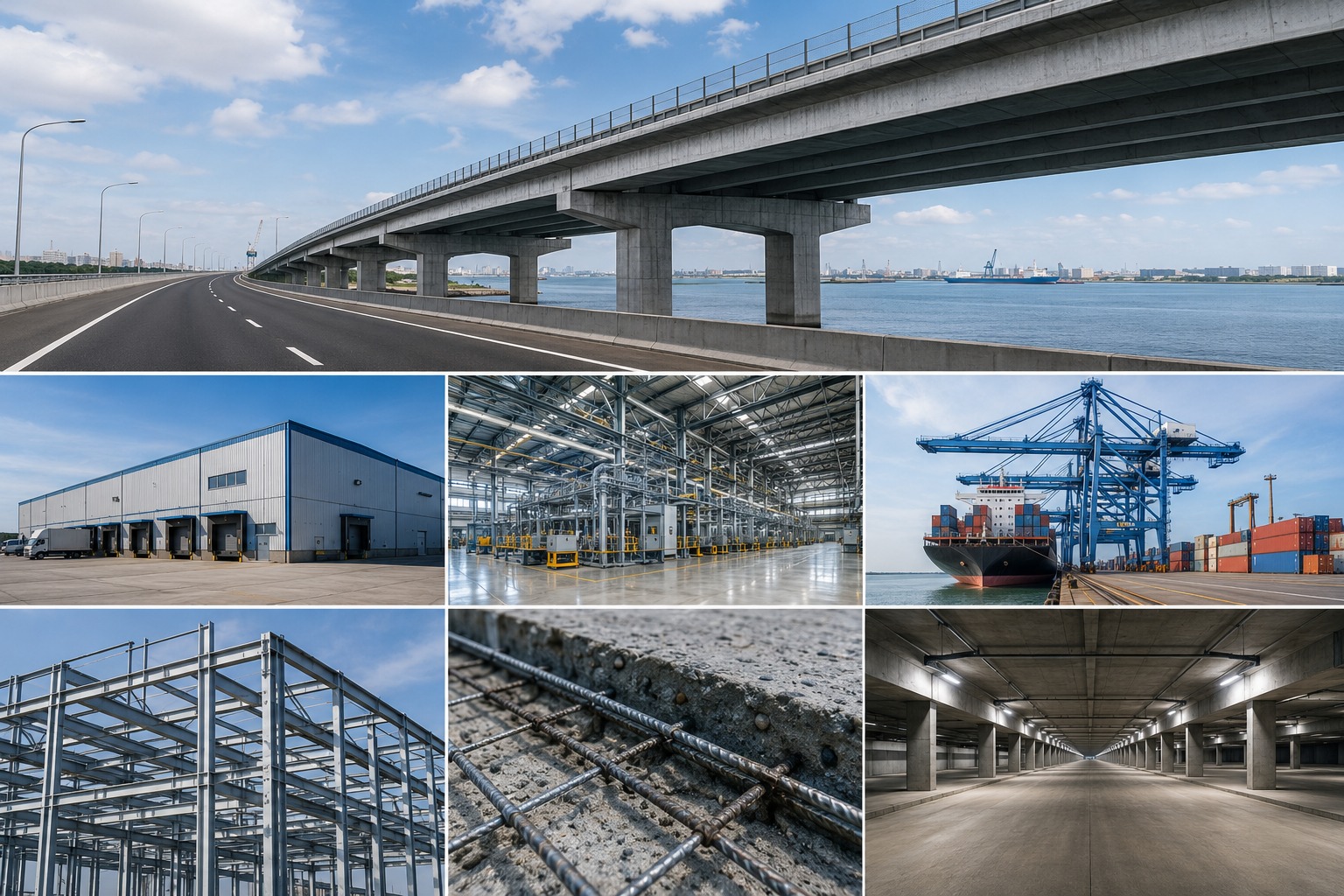
*** Applications Across Multiple Industries Graphene-enhanced concrete can be used in bridges, highways, high-rise buildings, industrial facilities, ports, marine structures, and smart city developments. Its improved strength and durability make it suitable for projects that require long-lasting and reliable infrastructure.
*** The Future of Construction Materials As the construction industry continues to prioritize sustainability and performance, graphene is emerging as a key material for next-generation infrastructure. With the ability to improve strength, reduce cracking, lower cement consumption, and decrease carbon emissions, graphene concrete represents a smarter approach to modern construction.
*** Conclusion Graphene-enhanced concrete offers an innovative way to build stronger, longer-lasting, and more sustainable infrastructure. By improving structural performance while supporting carbon reduction initiatives, RAVphene™ Graphene Additive helps construction companies and material manufacturers develop high-performance concrete solutions for the future.
Recent Post
Extending Industrial Asset Lifespan Through Advanced Material Innovation
Aug 3, 2026

Building More Durable Infrastructure with Advanced Materials
Jul 28, 2026

Graphene in Smart Manufacturing: Enabling the Next Industrial Revolution
Jul 27, 2026
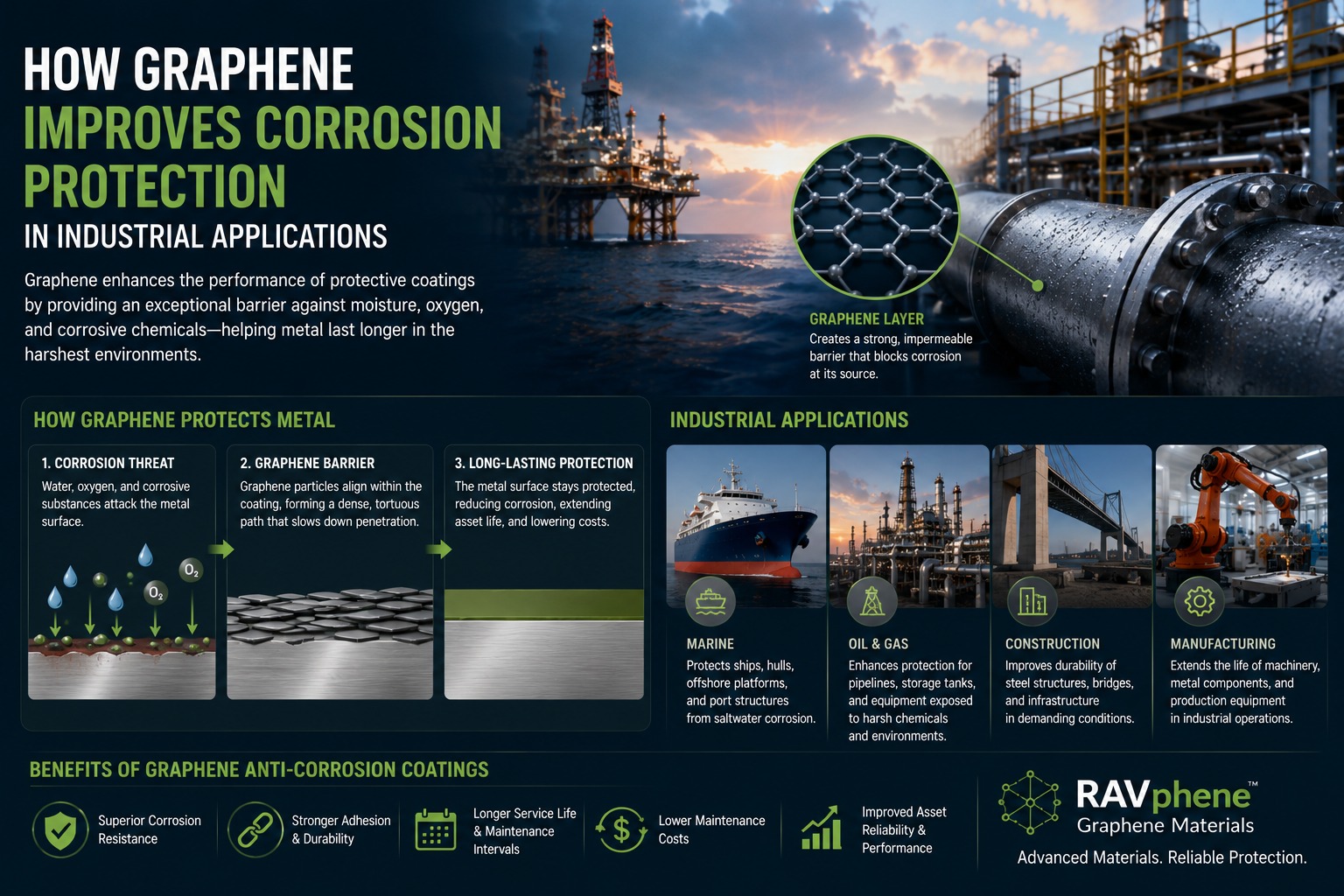
How Graphene Improves Corrosion Protection in Industrial Applications | RAVphene
Jul 21, 2026