Jun 5, 2026
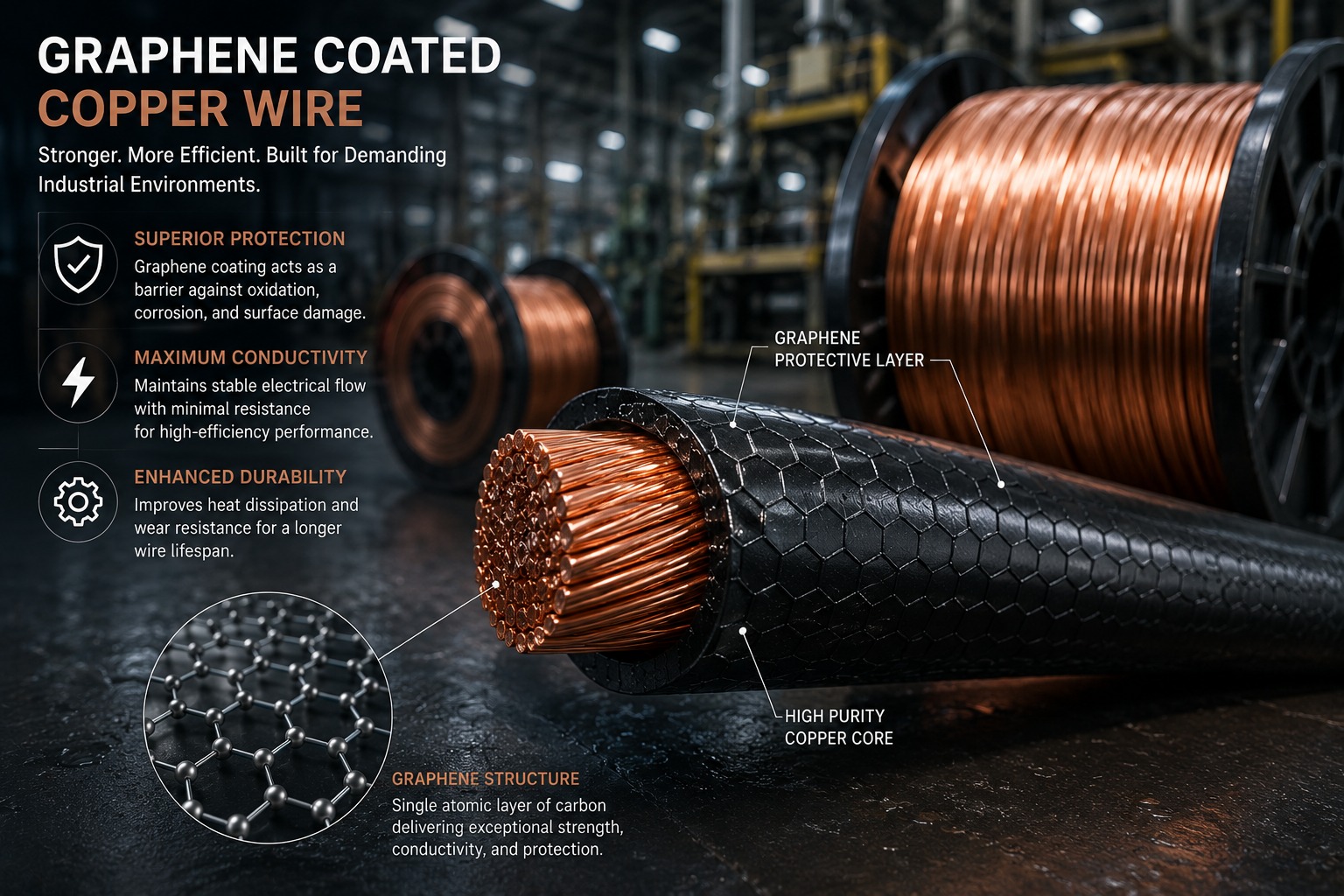
The global industrial landscape is currently witnessing a paradigm shift in material science, particularly regarding electrical infrastructure. As enterprises seek more efficient ways to transmit energy, the integration of graphene coated copper wire has emerged as a definitive solution for high-performance applications. This innovation does not merely improve the base metal but fundamentally alters how electrical systems interact with environmental stressors. By utilizing a graphene coated copper wire, industrial entities can ensure that their power distribution networks maintain peak efficiency while simultaneously reducing the overhead costs associated with frequent maintenance and premature degradation.
Why Copper Wire Needs Better Surface Protection
While copper remains the gold standard for electrical conductivity, it is far from invincible. In demanding industrial environments, the surface of a copper conductor is often the first point of failure. Without adequate protection, the metal is susceptible to oxidation and physical erosion which can compromise the integrity of the entire system. We recognize that for organizations operating within the industrial sector, reliability is the cornerstone of operational continuity.
Reducing Surface Damage
Mechanical wear and chemical exposure are constant threats to exposed wiring. Minor abrasions on the surface of a wire might seem negligible at first, yet they create localized points of high resistance. This leads to inefficient power delivery and potential hotspots. By implementing a robust barrier, we can mitigate these physical risks, ensuring that the core material remains untouched by the harsh realities of the production floor or external infrastructure.
Supporting Stable Electrical Flow
Consistency is the lifeline of any large scale electrical operation. When the surface of a wire begins to oxidize, it creates a non-conductive layer that forces electrons to find alternative, often less efficient, paths. This phenomenon, known as the skin effect in high-frequency applications, becomes increasingly problematic as the wire ages. Protecting the surface ensures that the flow remains laminar and predictable over the long term.
Improving Long-Term Wire Performance
Sustainability in industrial procurement is not just about environmental impact; it is about the longevity of the assets. A wire that fails after five years is a liability compared to one that lasts twenty. By addressing surface vulnerabilities early, we help our partners extend the lifecycle of their electrical components, thereby stabilizing capital expenditure and reducing the frequency of hazardous replacement procedures in complex environments.
How Graphene Coating Can Support Copper Wire
The introduction of graphene coating into the manufacturing process represents a quantum leap for electrical engineering. As a material composed of a single layer of carbon atoms arranged in a hexagonal lattice, graphene offers properties that were previously thought to be theoretical. When applied to copper, this graphene coating creates a symbiotic relationship that enhances the metal's natural strengths while masking its inherent weaknesses.
Adds a Thin Protective Layer
The beauty of using a graphene coated copper wire lies in its atomic precision. Traditional coatings like tin or silver are often bulky and can alter the flexibility or diameter of the wire significantly. Graphene, however, provides a near-impermeable shield against oxygen and moisture without adding unnecessary mass. This allows us to offer a solution that fits into existing conduits and connectors while providing superior defense against corrosive elements.
Helps Maintain Conductivity
One might assume that adding a layer over copper would increase resistance, but the opposite is true when using high-quality carbon structures. Because graphene itself is an exceptional conductor, the interface between the copper and the coating remains highly efficient. The graphene coated copper wire facilitates a seamless transition for electrical charges, preventing the typical "voltage drop" associated with lower-quality protective sleeves. This ensures that the energy you generate is the energy you actually deliver to your machinery.
Supports Better Heat and Wear Resistance
Thermal management is a critical concern for any inter-organizational energy provider. Copper tends to soften and lose its mechanical strength when subjected to high temperatures over prolonged periods. Graphene possesses extraordinary thermal conductivity, which helps dissipate heat away from the core more effectively. Furthermore, the incredible tensile strength of the carbon lattice provides an additional layer of armor against physical friction, making the graphene coated copper wire the ideal choice for dynamic applications where cables are in constant motion. In conclusion, the evolution of wiring technology is essential for the future of industrial efficiency. At Ravphene Ravelware, we specialize in the production of Few Layers Graphene, a sophisticated material designed to elevate the standard of industrial components. Our commitment to innovation allows us to provide solutions that meet the rigorous demands of your operations. By choosing our advanced coating technologies, you are investing in the future-proofing of your infrastructure, ensuring that your systems remain robust, efficient, and durable for years to come.
Recent Post
Extending Industrial Asset Lifespan Through Advanced Material Innovation
Aug 3, 2026

Building More Durable Infrastructure with Advanced Materials
Jul 28, 2026
Graphene in Smart Manufacturing: Enabling the Next Industrial Revolution
Jul 27, 2026
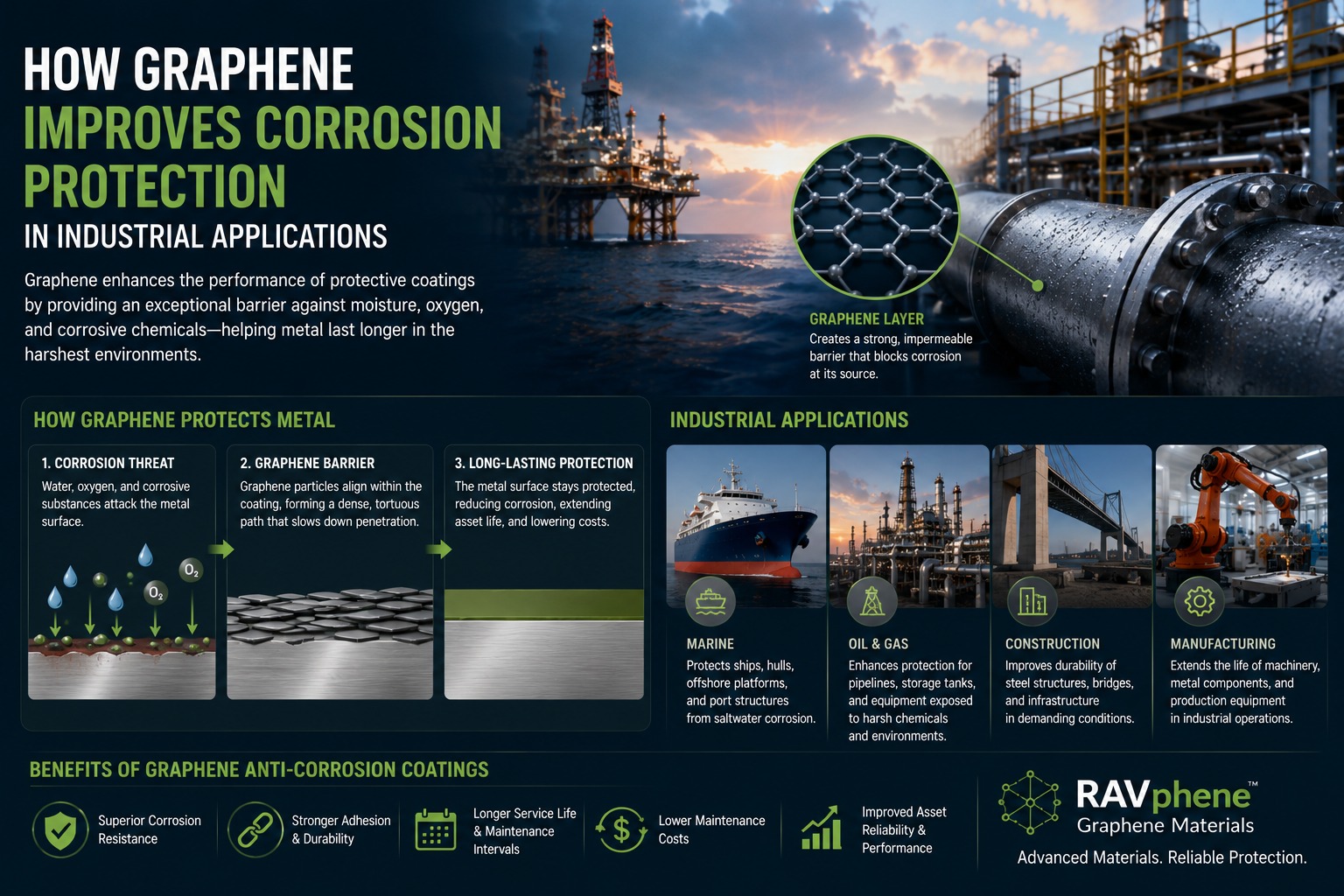
How Graphene Improves Corrosion Protection in Industrial Applications | RAVphene
Jul 21, 2026